
Positive Advantages of the Disabled Connection
DISABILITYFAVORITE
Positive Advantages of the Disabled Connection
Perks of a Shared Disabled Experience and a Stance on Its Positive Impact
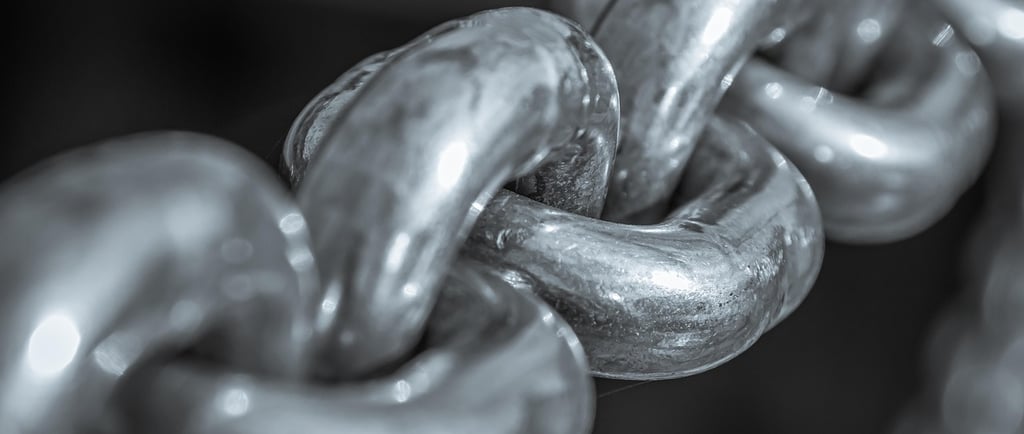
Connecting those with disabilities to others with disabilities. The importance of shared experiences. As someone who has grown up with both the disabled and the able-bodied population, while having a disability myself, I have come to understand those with disabilities greatly benefit from knowing others with the same disability or similar experiences. Understanding disability from someone on the outside looking in differs from understanding disability from someone with the same or similar experiences. There is a level of understanding that cannot be reached by someone who does not have a shared experience or common ground. Having others around you who have a disability as someone with a disability has its benefits, benefits in both the present and the future, simply from the connection alone.
Connecting with those around the same age
I strongly believe in those with disabilities being connected to others with disabilities at a young age. The reason this is important is due to the opportunity to build a relationship that will support both parties throughout their lifetime. This is especially true if both parties are around the same age. To further explain, life has stages. A kid, a teenager, a young adult, a middle-aged adult and a senior all see life differently. There are times when it is best to speak with someone within your age group. It is a shared experience within the same timeframe. Others may be facing the same situation at the same time and can express how they are currently dealing with or managing the situation.
Connecting with those older and younger
Connecting with others within your age group has its benefits, but so does connecting with those older and younger than you. Spending time around those with disabilities who are older than you as you grow can help you understand the future and how to carry yourself with a disability. It can put a spotlight on future possibilities, showing you what is possible. On the other side of that, it can also show you what you do not want to do. You can learn from their past lessons and guidance. This way, you can potentially repeat their successes and avoid their mistakes. Their life lessons become part of your life manual. Sometimes you don't have to learn by doing, you have the opportunity to learn by listening and observing when someone older than you provides mentorship.
Now, if someone is younger than you, the concept is the same. However, the roles are vice versa. The mentee is now the mentor and you are the one sharing your life manual. It may not be called mentorship by either party. Yet, whether it's one experience talked about one time or multiple on an ongoing basis, it still is mentorship.
.Connections lessen loneliness
As someone with a disability, having others around you who have a disability also gives you the privilege of being able to understand and relate to others with disabilities without preconceived ideas. It gives a lesser sense of being alone. To further explain, those who do not grow up around others with disabilities or have not spent time with them sometimes feel alone. This is because they are not around or have not been around others with a similar experience. They can feel ostracized. One reason is society has pushed this narrative of being “different, “and the media seems to push the narrative of you are either an overcomer or feeling sorry for yourself. This completely ignores the fact that disability and how those with disabilities feel is a full spectrum. Some are in the middle of the spectrum, where it is fine and they have an acceptance of how it is. For some, there is even pride and appreciation in belonging to the disabled community. The full spectrum is barely portrayed ever in the media. If you are not around others with disabilities, you miss being exposed to the spectrum of perspectives and feelings regarding disability. In that situation, both the disabled and the able-bodied population may lack the viewpoints challenging assumptions leading them to believe the assumptions to be facts with no exception. When you take partial truths and assume they are 100% fact because you do not know otherwise, it can result in comparison, think how detrimental that can be.
Connections create access and sociability
. I read a portion of an article that said those with disabilities face loneliness at an increase compared to those without disabilities. One of the factors mentioned was barriers. An example they gave was environmental barriers. I thought of it as, how can you make connections if you cannot even get into the place where connections are made??. From my understanding, the article suggests disability is not necessarily the cause of loneliness, but having a disability makes one more susceptible to loneliness. A barrier-free environment was one of the aspects the article mentioned as a way to protect against loneliness for this population. Based on the experiences I have had and what I mention in the remainder of this piece. I say the statement is accurate.
When you are connected with others who have disabilities, accessibility is built in. You do not need to stress things like accessible transportation or specific software because they are already understood. My favorite places as a kid were camps for those with disabilities and also adaptive sports. Living in a world where you are often thinking about accommodations and accessibility, camps and adaptive sports were special. They were places where you did not have to consider things you consider regularly. Being around others with disabilities when you have one in a way is the same. Although probably not as fun!
Connecting with others with disabilities allows you the privilege to bypass barriers typically put in place. You do not have to explain things. What is your normal is their normal, with individual differences, of course. There are fewer barriers when you connect with others with disabilities. Therefore, it makes social interactions about the actual interaction and not the need for accommodation. Unless that is the topic of discussion. Yes, people with disabilities who have built relationships with other people with disabilities do discuss lived experiences, the good, the bad, and the unbelievable.
In closing, connecting with others who have a disability when you have a disability has its advantages. Connecting with someone around the same age can be helpful because you both are learning or have learned around the same time and may be dealing with similar situations. when someone is older than you, their mentorship can create a road map of warnings and possibilities. These connections can combat society's interpretation of disability because they show a fuller spectrum of disability. They can lessen loneliness and increase sociability through shared or similar experiences and fewer barriers.
Rescores:
Loneliness and disability: A systematic review of loneliness conceptualization and intervention strategies by Gómez-Zúñiga, B., Pousada, M., & Armayones, M. Creative Commons Attribution License (CC BY) https://pmc.ncbi.nlm.nih.gov/articles/PMC9905422/
Image by Tom from Pixabay
Orchestrated Words, and Symphonie M.© 2025
Content to Your Inbox
Subscribe to the Email List. OW does not have mass emailing yet. You can sign up beforehand.

Find Orchestrated Words on Pinterest: